
By Night
UMR INSERM U1242-OSS SPECIAL SEMINAR - Dr Ahmad CHARANEK, BORDEAUX INSTITUTE OF ONCOLOGY - BRIC - Centre De Lutte Contre Le Cancer Eugène Marquis
Le
A 11h00
Centre De Lutte Contre Le Cancer Eugène Marquis
Unraveling metabolic and molecular vulnerabilities in glioblastoma for therapeutic intervention
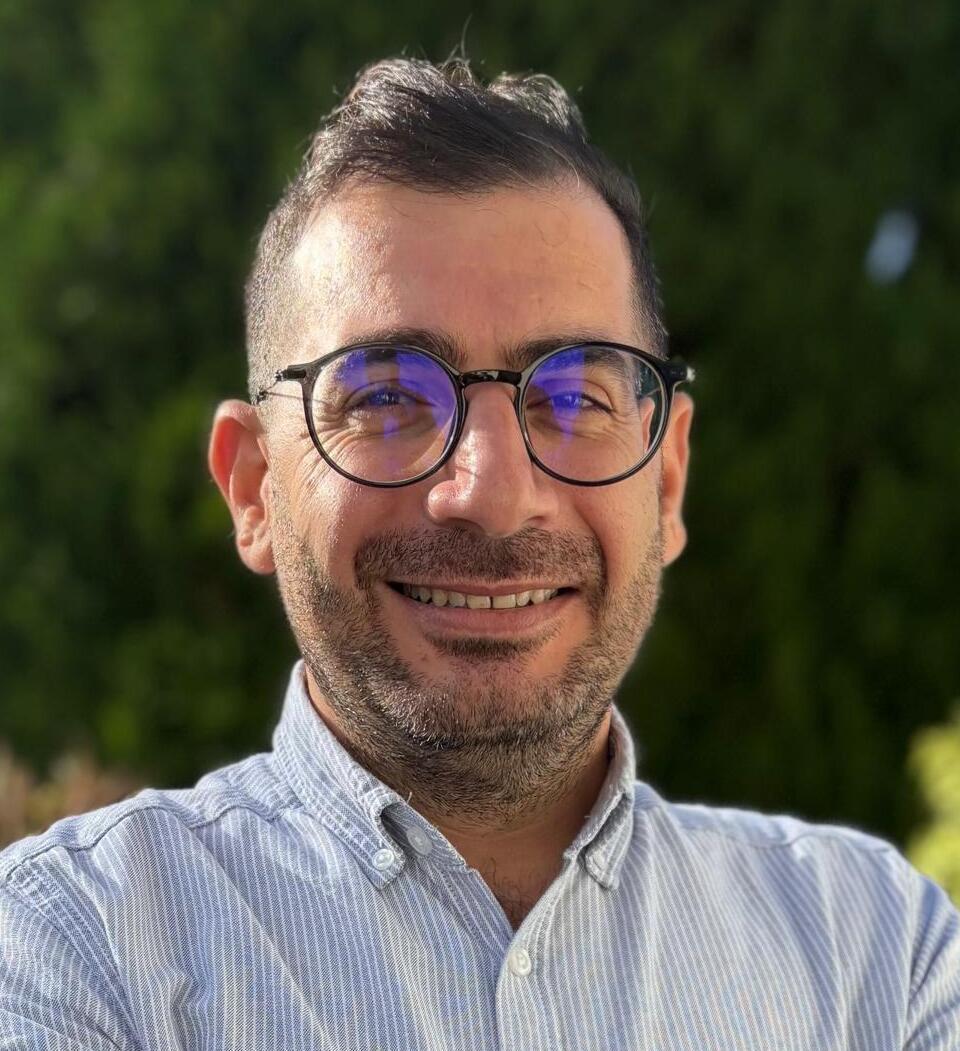
Dr Ahmad CHARANEK
CRCN INSERM
BORDEAUX INSTITUTE OF ONCOLOGY - BRIC
BRAINSTRIM “Brain tumor stroma, resistance, invasion and metabolism” Team
Abstract
Glioblastoma (GB) is the most aggressive primary brain tumor in adults, characterized by profound intratumoral heterogeneity and the persistence of glioblastoma stem cells (GSCs), a therapy-resistant population responsible for recurrence. Developing more effective therapies requires understanding the mechanisms that sustain GSC survival and plasticity under microenvironmental stress and standard treatments.
Metabolic reprogramming is a key driver of GSC maintenance and therapeutic resistance. In previous work, we identified mitochondrial OSMR as a driver of enhanced mitochondrial respiration and GSC aggressiveness, highlighting the importance of mitochondrial bioenergetics for GSC maintenance (Sharanek et al., Nature Communications, 2020). Consistently, recent single-cell studies of GB have revealed a mitochondrial subtype that relies heavily on oxidative phosphorylation. Building on these findings, we targeted mitochondrial respiration using the complex I inhibitor mubritinib. We demonstrated that mubritinib efficiently disrupts GSC bioenergetics, crosses the blood-brain barrier, and enhances the efficacy of radiotherapy and chemotherapy by reducing hypoxia and increasing ROS-mediated DNA damage (Burban et al., EMBO Molecular Medicine, 2025). These results underscore the therapeutic potential of selectively targeting mitochondrial function in GSCs.
Since tumor metabolism is shaped by niche-derived signals, we are exploring microenvironmental interactions. Cell-surface proteins serve as critical interfaces through which GSCs sense and respond to their environment. Using surface proteomics, we identified a receptor tyrosine kinase (RTK) highly enriched in GSCs relative to non-oncogenic neural stem cells, with expression correlating with poor patient survival. Targeting this RTK impaired GSC behavior in vitro, delayed tumor growth, and prolonged survival in patient-derived xenograft models.
We also identified the metabolic monocarboxylate transporter MCT1 as another GSC-enriched surface protein. MCT1 is classically known for lactate transport. Silencing MCT1 impaired GSC tumorigenesis in vivo. Surprisingly, rescue experiments with both wild-type and transport-inactive forms restored GSC function, indicating that MCT1 acts through non-canonical, transport-independent mechanisms. These findings suggest that current MCT1 inhibitors, which target only MCT1 transport, may have limited therapeutic efficacy in GB.
Together, this work identifies metabolic and molecular vulnerabilities in GSCs and highlights new opportunities for therapeutic intervention.
Centre De Lutte Contre Le Cancer Eugène Marquis Prochainement

Inserm U1242 - OSS - SPECIAL SEMINAR - Dr Isabel FABREGAT - Bellvitge Biomedical Research Institute - IDIBELL - BARCELONA, SPAIN

INSERM U1242 - OSS - SPECIAL SEMINAR
Ces événements pourraient vous plaire
Balades méditatives 2026 - mardi 7 juillet 2026 de 10h à 11h30 - Villejean

Cabanes et création nature au parc des Gayeulles




0 Commentaire Soyez le premier à réagir